
committee and allies
The Expressing the Invisible organizing committee brings together people with lived and living experience expertise and allies committed to collaboration, recognition, and social transformation. Guided by the principle “Nothing About Us Without Us,” the committee leads the design, development, and implementation of the initiative’s projects and activities. Together, its members bring their experiences, expertise, and creativity to projects that promote expression, dialogue, participation, and the recognition and visibility of lived experience expertise.

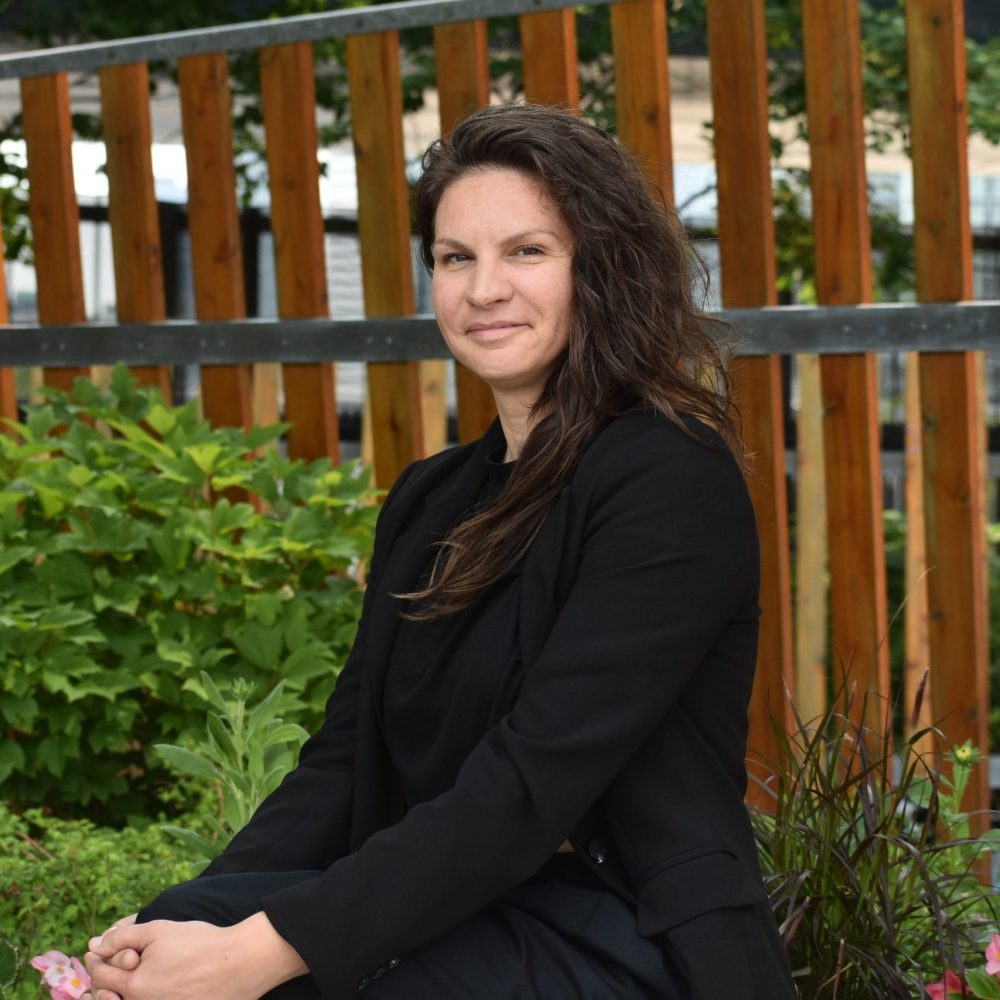
Isabelle Boisvert
She/Her
Isabelle Boisvert is a person with lived experience related to substance use, opioid agonist treatment, hepatitis C, mental health challenges, homelessness, sex work, and criminalization. She is the Partnerships Lead at the Canadian Research Initiative in Substance Matters and a co-investigator with the Femmes+ Cohort and Équipe de recherche sur le genre et l’intervention en dépendance. Drawing on both professional and lived expertise, she develops research, knowledge mobilization, and peer-led engagement approaches aimed at strengthening the participation and decision-making power of people with lived and living experience. She presents her work across Canada and internationally and collaborates with various community organizations, institutions, and government bodies. Isabelle is the founder and coordinator of Expressing the Invisible. Working closely with the committee, she oversees the development of the initiative’s vision, coordinates its various projects, and ensures their alignment with its mission and objectives. She plays a central role in developing partnerships and research activities, setting priorities, increasing the initiative’s visibility and ensuring its long-term sustainability, as well as securing funding and managing resources and budgets. She also supports the continued development of Expressing the Invisible while ensuring that its evolution remains grounded in the knowledge, priorities, and leadership of people directly affected.
Isabelle est l’initiatrice et coordonnatrice d’Exprimer l’invisible. En étroite collaboration avec le comité, elle veille au développement de la vision, à la coordination des différents projets et à leur cohérence avec la mission et les objectifs de l’initiative. Elle joue un rôle central dans le développement des partenariats et des volets de recherche, l’établissement des priorités, le rayonnement et la pérennité de l’initiative, ainsi que dans la recherche de financement et la gestion des ressources et des budgets. Son rôle consiste également à soutenir le développement d’Exprimer l’invisible tout en veillant à ce que son évolution demeure ancrée dans les savoirs, les priorités et le leadership des personnes directement concernées.

Mélodie Talbot
She/Her
Mélodie Talbot is a community organizer and person with lived experience. For more than 14 years, she has been involved in advocacy and the defense of the rights of people who use drugs. At AQPSUD, she works at the intersection of harm reduction, health promotion, and social justice, with a strong focus on valuing lived experience, collective empowerment, and participatory approaches. Her personal journey, marked by losses related to the war on drugs and the overdose crisis, has led her to create spaces for dialogue and expression around grief and solidarity.
As a co-organizer of Expressing the Invisible, she contributed to the design and implementation of the initiative, highlighting the potential of art within harm reduction. Through her ability to mobilize and bring together people from diverse backgrounds, she helps create participatory spaces where lived experience is recognized and valued. Her contributions include the co-development and facilitation of panels and discussion groups that bring together diverse perspectives and initiatives, the co-facilitation of collective art workshops, and participation in documenting the project’s impacts. Her involvement is grounded in the belief that art is a powerful tool for amplifying voices, recognizing lived experiences, and creating spaces where everyone can express themselves freely and without judgment.
Jeannine Foisy
She/Her
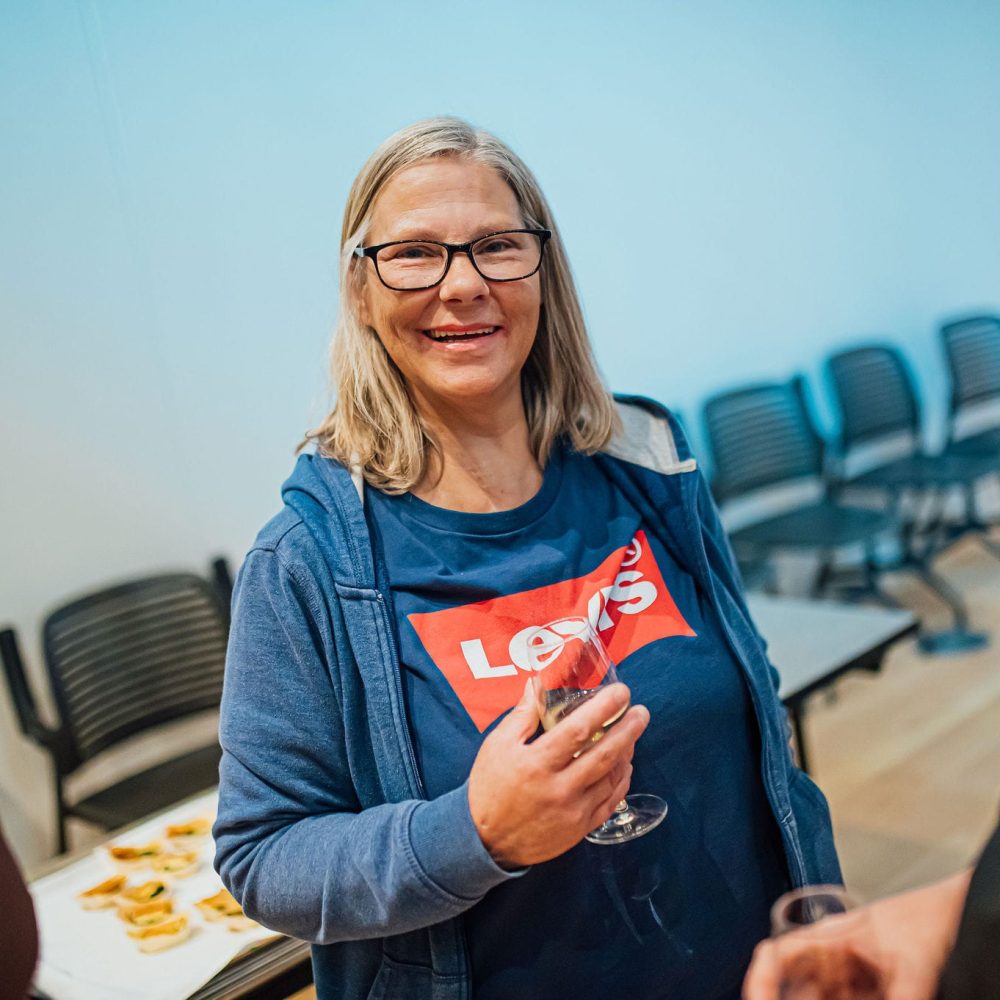
After struggling with substance use for several decades, I was able to regain control over my life. I now contribute to society by collaborating on various projects aimed at improving practices and services related to substance use.
Responsibilities:
▪ I am a member of the organizing committee
▪ Room set-up the day before the event
▪ Responsible for and involved in preparing the welcome and registration area on the day of the event
▪ Responsible for planning and coordinating the safe space throughout the day
▪ Connected the two communications cooperatives (L’Argot and WebTV) to provide English translation of the conferences.
▪ Participated in the meetings of the Exprimer l’invisible research committee, where we were responsible for documenting the processes used throughout the organization in a methodology document for the analysis of the results.
▪ Contacted and invited the two community organizations (Anonyme and the GRIP) to provide their minibuses free of charge during the event, offering drug checking services and a consumption space.
▪ Took part in dismantling the rooms at the end of the day
▪ Participated in the research interview with Léonie
I have to admit that my involvement grew increasingly over time because I wanted to do things well, and I felt fortunate to be working for AIDQ, which gave me the opportunity to take on these responsibilities—something that was not the case for everyone on the organizing committee. My involvement ultimately grew to a level I could never have imagined, but it was well worth it, given all the positive feedback we received about the event. Looking back, I realized that the experience was absolutely worth it, and I would not hesitate to do it again if needed. It was a valuable experience that taught me a lot about myself and my management skills, and showed me that peers are capable of achieving so much when we are trusted and well supported.

Geneviève Fortin
She/Her
Geneviève Fortin is a multidisciplinary artist, writer, and performer whose practice draws on lived experience, resistance, and solidarity. A social work graduate and Communications Officer at the Institut universitaire sur les dépendances, she combines her artistic practice with her involvement in research and intervention settings.
From incarceration to personal rebuilding, her journey informs a practice in which art becomes a means of speaking out. As co-founder and Vice-President of the collective “Art Entr’Elles,” she advocates for the recognition of the voices of criminalized women in artistic and social spaces. Her work has been exhibited, performed, and published, notably in the book Des deux côtés de la prison.
As part of Exprimer l’invisible, Geneviève Fortin contributes to the event’s conception and promotion, particularly through the development of communication tools, the structuring of content, and support for outreach and dissemination. Her involvement aims to support a platform for people with lived experience to speak for themselves, with experiential knowledge guiding the messages, content, and spaces for dialogue.

Barbara Rivard
She/Her
Barbara Rivard is a community worker with lived and living experience related to opioid use. Having been involved in the harm reduction field for several years, she works at Méta d’Âme and regularly collaborates with Escodi, AIDQ, IUD, and Profan. She is also a speaker and advocate for humane and pragmatic approaches to substance use, and participates in overdose prevention and anti-stigma initiatives. Her participation in the organizing committee of the Exprimer l’invisible event, as well as her role as master of ceremonies and opening speaker, are a natural extension of her own recovery journey. Her passage from darkness—marked by shame, guilt, and silence—to light, reclaiming her voice, and transforming her personal story resonates deeply with her commitment: to create spaces where stories that are too often rendered invisible can be heard, recognized, and carried collectively.
Thomas Haig
He/Him
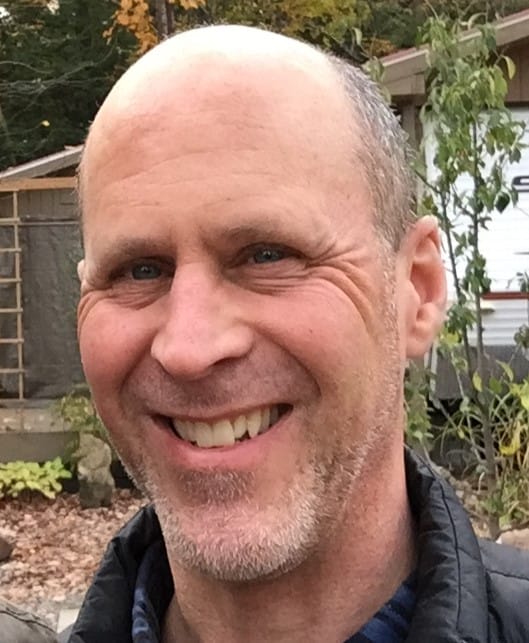
Thomas Haig is a research professional in the Department of Community Health at the Université de Sherbrooke’s Longueuil campus, where he coordinates research projects aimed at developing inclusive, accessible, and tailored substance use interventions and services for diverse populations, including women and members of 2SLGBTQI+ communities. He previously worked in the HIV/AIDS movement and in sexual health promotion within the community sector. For the past 30 years, his passion has been facilitating innovative projects that draw on both scientific and experiential knowledge to improve community well-being and reduce health inequities. As part of Exprimer l’invisible, he contributed to the project’s development, with a particular focus on managing budgets and participatory research activities.
Marie-Eve Simard
She/Her
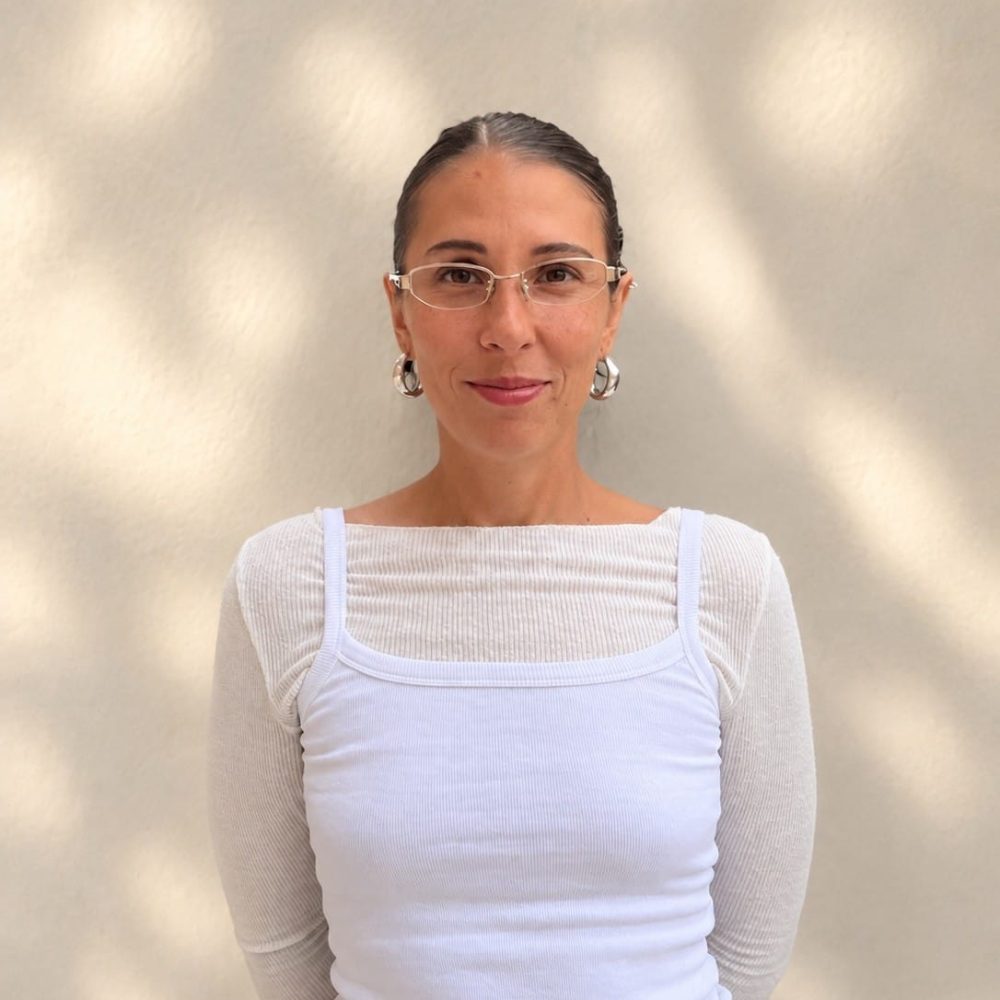
As a feminist community worker, Master’s student in sociology, and holder of lived and experiential knowledge related to substance use and psychiatric diagnosis, Marie-Ève Simard takes a critical look at institutional violence, health inequalities, and the power dynamics that shape the experiences of women who have received a mental health diagnosis. She is also interested in the forms of resistance and agency that emerge within these constraints. She works with people who use drugs through a harm reduction approach and advocates for alternative practices that place self-determination at the heart of intervention, challenging punitive, coercive, and carceral approaches.
Son implication dans le projet Exprimer l'Invisible s’inscrit dans la continuité de ses engagements envers la valorisation des savoirs expérientiels, la création d’espaces inclusifs, sécuritaires et créatifs, l’aide mutuelle et la justice sociale. Ce projet est particulièrement significatif pour elle, car la peinture abstraite et expressive a constitué dans sa trajectoire un espace de création lui permettant de libérer ses émotions et de se reconnecter à elle-même. Elle voit dans l’art un espace radical de reprise de pouvoir et de résistance, à partir duquel il devient possible de transformer les récits personnels en puissants leviers de changement et de solidarité collective.

Flo Martel
He/Him
Vincent de Maisonneuve
He/Him
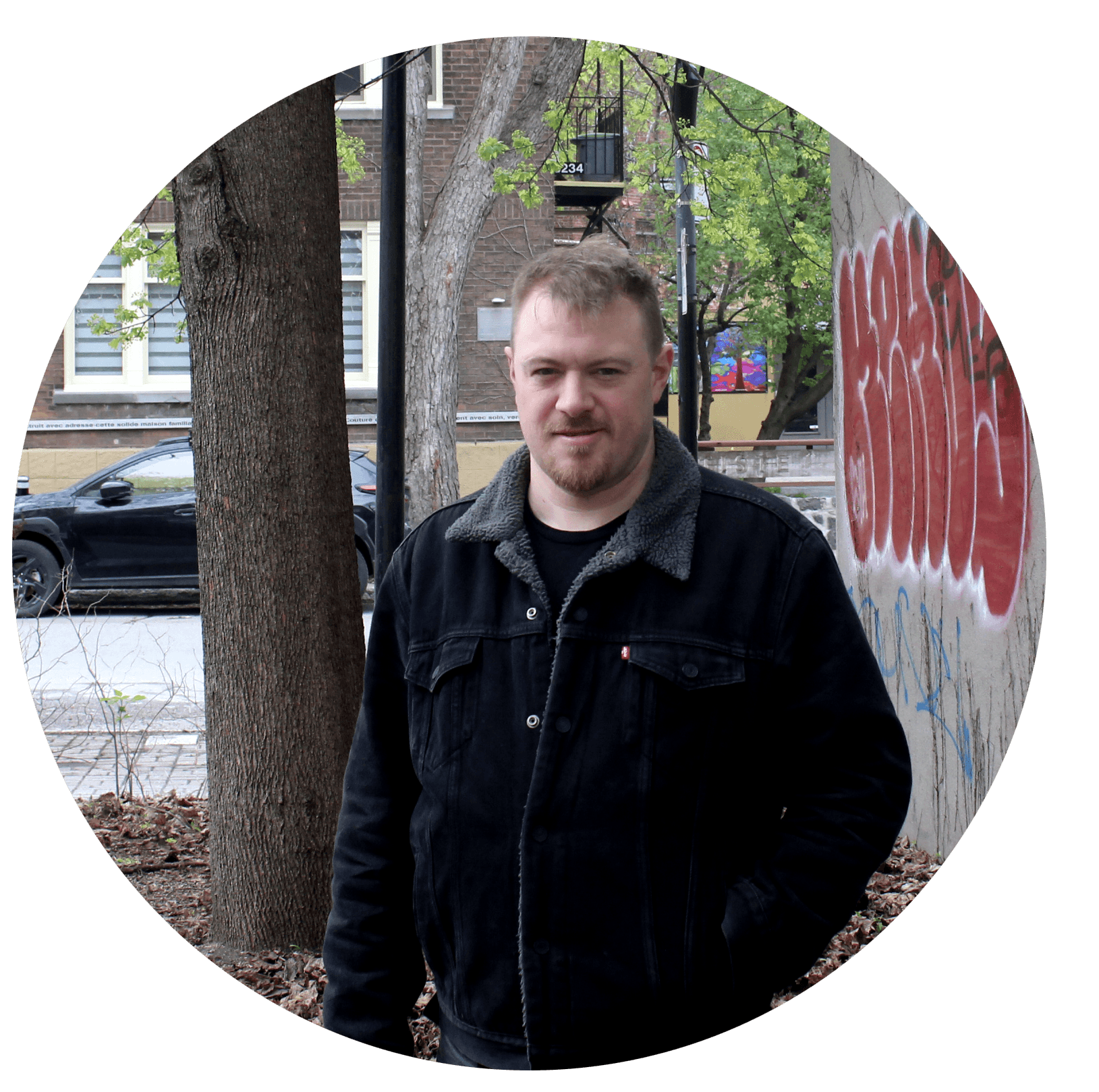
Vincent de Maisonneuve has been involved in the harm reduction field since 2017, working primarily with the Association québécoise pour la promotion de la santé des personnes utilisatrices de drogue (AQPSUD). There, he develops prevention tools and delivers training from the perspective of a person with lived experience. He is also an advocate for ending the prohibition of psychoactive substances.